

Quick answer
Broome whale watching photos benefit most from morning departures between 08:00 and 12:00, when flat light reduces glare and calm conditions keep the horizon steady. A shutter speed of 1/1000s or faster freezes breaches, while a 200-400mm zoom lens lets you frame whales from typical viewing distances of 50 to 100 meters. Operators depart from 10 Weld St daily during the season, and tours cost 130 AUD for adults.
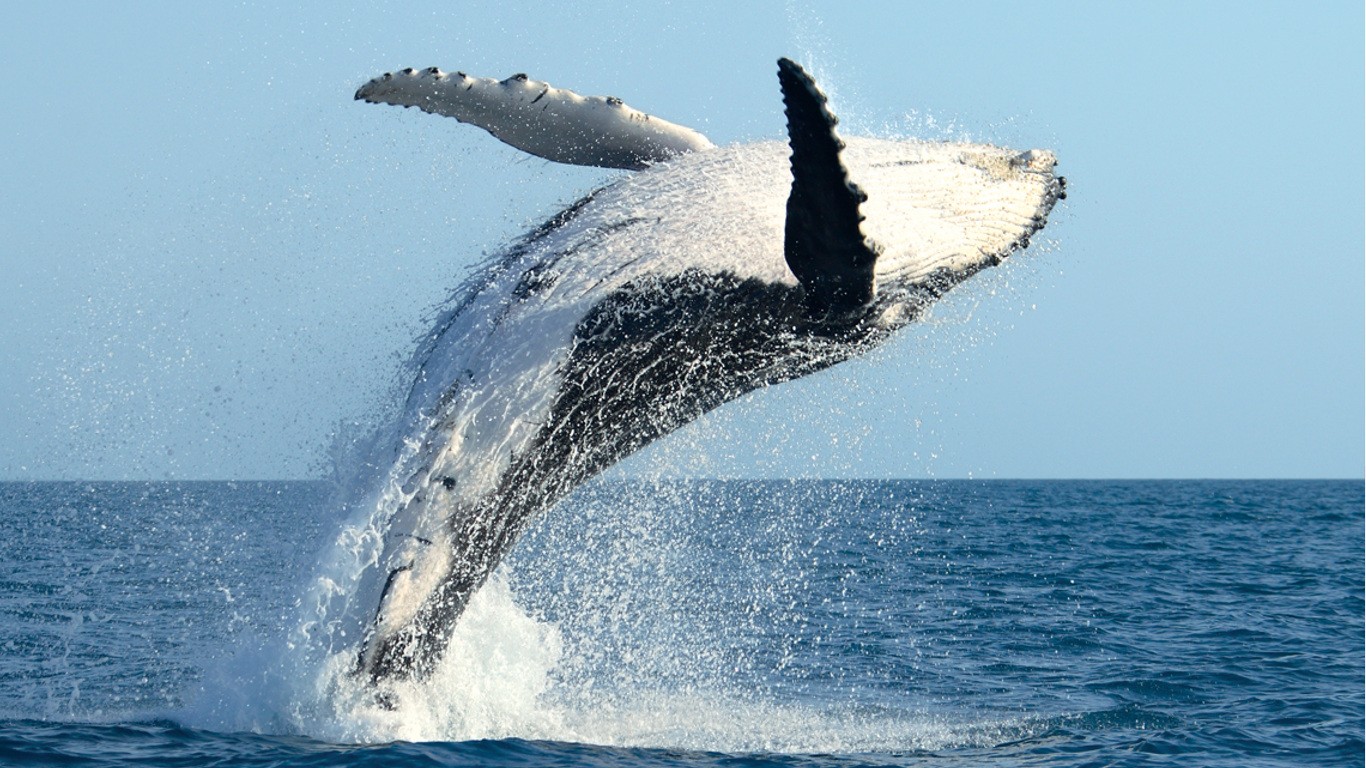
Humpback whales breach without warning, and the window to capture the moment lasts less than two seconds. Photographers aboard Broome whale watching vessels work within constraints most land-based wildlife shooters never face: a moving platform, salt spray on lenses, and subjects that disappear for minutes between surfacing events. The operators running daily tours from 10 Weld St between June and October understand these challenges, and many configure their deck layouts to give camera users clear sightlines along the starboard and port rails. The Kimberley coast's morning light provides the most forgiving conditions for whale photography. Departures scheduled between 08:00 and 12:00 avoid the harsh overhead sun that flattens contrast and turns water into a mirror of white glare. During this window, the ocean surface holds texture, whale skin retains detail, and spray from a breach catches definition rather than washing out. A fast shutter speed—1/1000s minimum, 1/1600s preferred—freezes the arc of a tail slap or the twist of a full breach. Continuous autofocus modes track movement better than single-point focus when a whale surfaces unexpectedly within your zoom range. Zoom lenses in the 200-400mm range suit the distances tour vessels maintain under approach regulations. Whales surface between 50 and 100 meters from the boat, and a longer lens isolates the subject against the water without requiring dangerous proximity. Image stabilization helps compensate for deck motion, though bracing against a rail or cabin wall provides steadier support than handheld shooting. Many photographers shoot in burst mode to capture the peak moment of a breach, then cull frames later. Broome's whale season delivers reliable encounters, but not every surfacing produces a dramatic breach. Spy-hops, where a whale lifts its head vertically to scan the horizon, and tail slaps offer alternative compositions. The pale turquoise water distinctive to this coastline provides a clean backdrop that separates whales visually in post-processing. Operators running the 08:00 to 17:00 schedule allow time for multiple pod encounters, increasing the likelihood of capturing varied behaviors within a single outing.
“Humpback whales breach without warning, and the window to capture the moment lasts less than two seconds.”
Optimal Broome Whale Watching Photos: Best Vantage Points
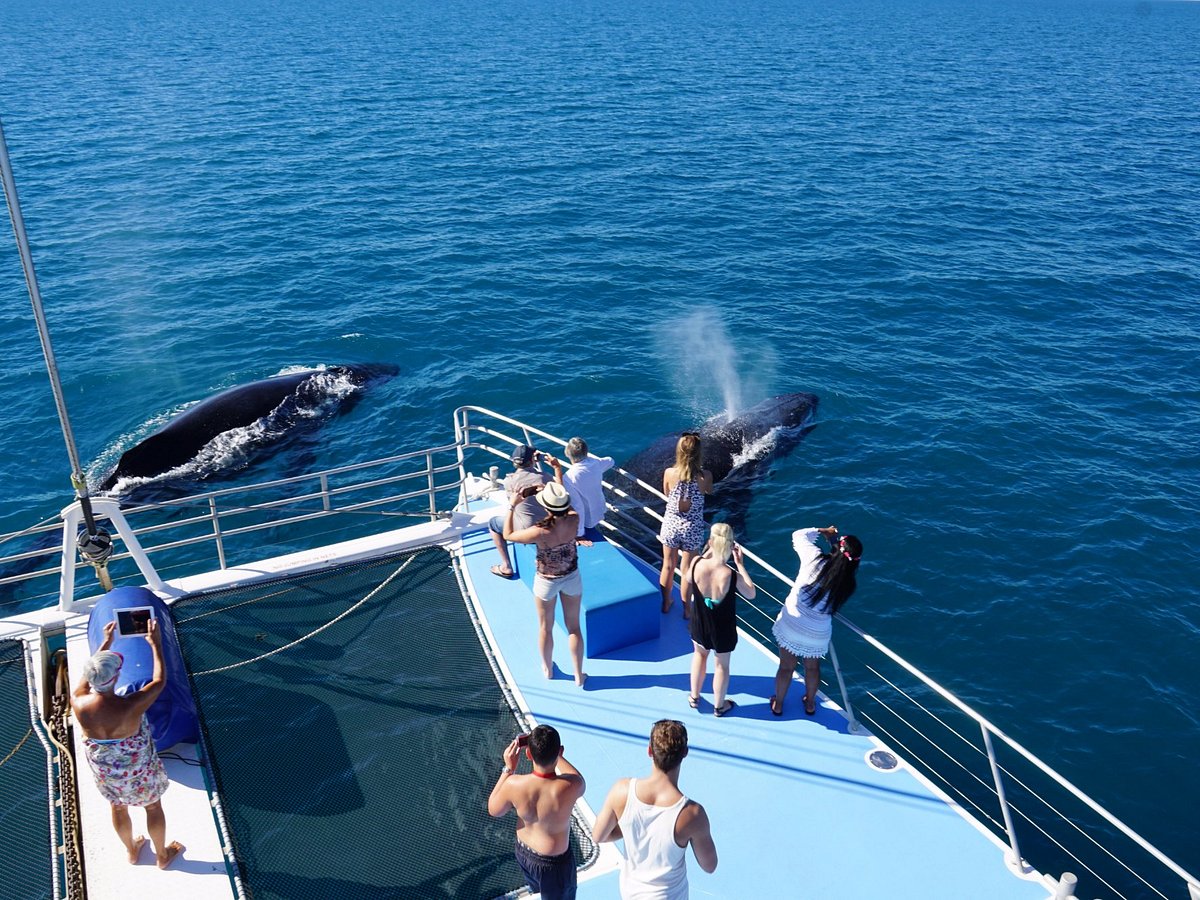
Bow of the Vessel
Position yourself at the very front for unobstructed panoramic views of whale breaches.
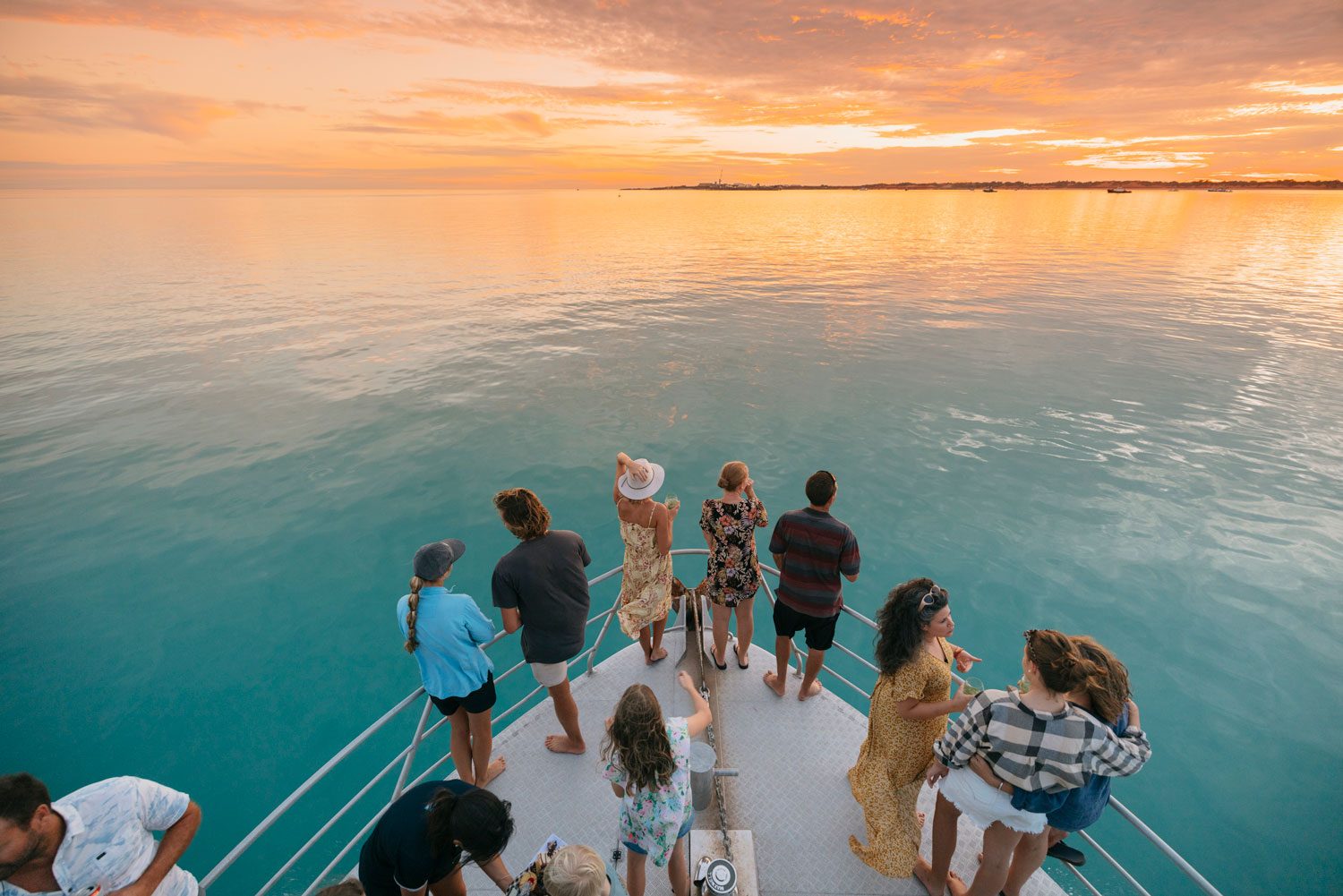
Upper Observation Deck
The higher vantage point provides a clear perspective of whale blows and surface activity.
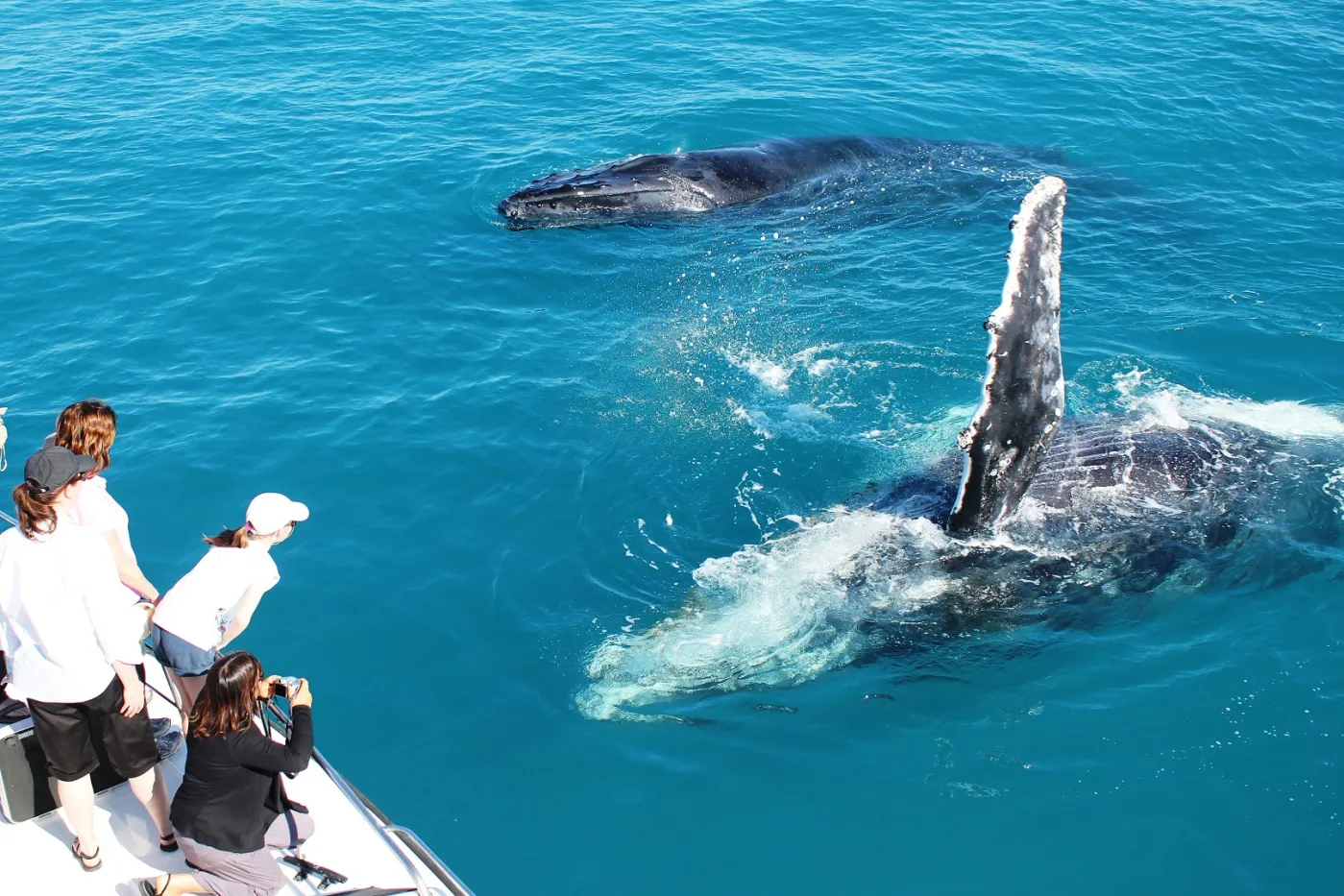
Port or Starboard Rail
Choose a side rail to capture water-level action and close-up dorsal fin surfacing.
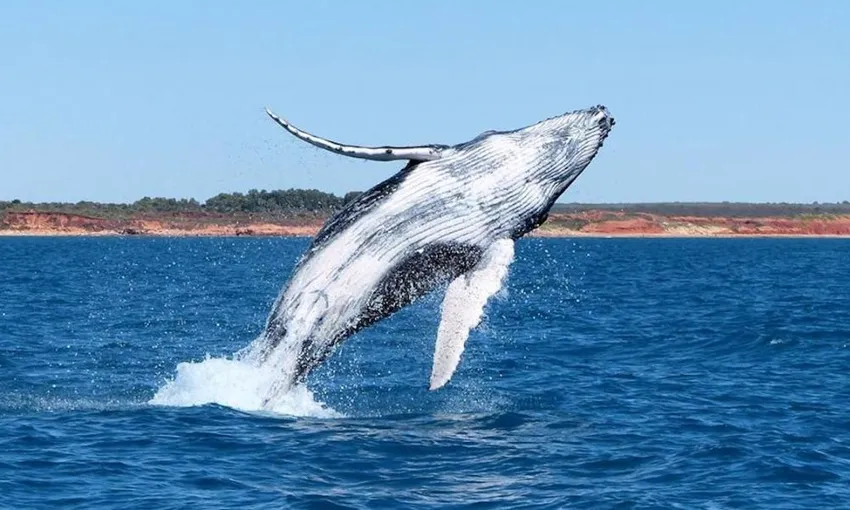
Sunset Coastline Backdrop
Frame the whales against the Broome coastline during late afternoon return trips.
The Best Time for Broome Whale Watching Photos
The humpback whale migration occurs annually between late June and mid-September in Broome. Morning departures are ideal for photography, as the lighting provides clarity and the sea conditions are typically at their calmest.
June to September
Moderate crowdsCooler, 25°C to 28°C
This period aligns with the peak migration of humpback whales through local waters.
July to August
High seasonal crowdsDry, 26°C to 27°C
These months offer the most consistent weather patterns for boat stability.
Morning departures
Low impact—
The best arrival window is 08:00–12:00, providing optimal natural light and calm seas for capturing high-quality images.
Verdict: The best opportunity for photography is during the peak months of July or August, specifically arriving for the 08:00–12:00 morning window.
Broome Whale Watching Photos: Weekly Operating Hours
Broome Whale Watching operates daily to facilitate whale spotting and photography opportunities from the water.
| Monday | 08:00–17:00 | |
|---|---|---|
| Tuesday | 08:00–17:00 | |
| Wednesday | 08:00–17:00 | |
| Thursday | 08:00–17:00 | |
| Friday | 08:00–17:00 | |
| Saturday | 08:00–17:00 | |
| Sunday | 08:00–17:00 |
Standard Costs for Broome Whale Watching Photos Tours
The cost of whale watching tours in Broome is primarily determined by the specific operator and the inclusions provided. Prices reflect standard adult rates, though variations occur depending on the selected vessel and tour duration.
A standard adult tour typically costs 130 AUD, though the final price will vary depending on the chosen operator.
Getting to Your Broome Whale Watching Photos Departure
Whale watching departures depart from 10 Weld St, Broome WA 6725, Australia. This location is accessible via central Broome transport routes.
Follow Broome Rd to Weld St
Route 1 to Weld St stop
Direct to 10 Weld St
Check availability
Frequently Asked Questions About Broome Whale Watching Photos
Everything you need to know about broome whale watching photos