

Quick answer
The whale watching Broome best time runs from June through October, when humpback whales migrate north along the Kimberley coast. July to September delivers peak sightings with the highest whale density, calmer seas, and consistent afternoon viewing conditions. Early season (June–July) favors northbound pods traveling steadily, while late season (September–October) brings southbound mothers with calves moving closer to shore.
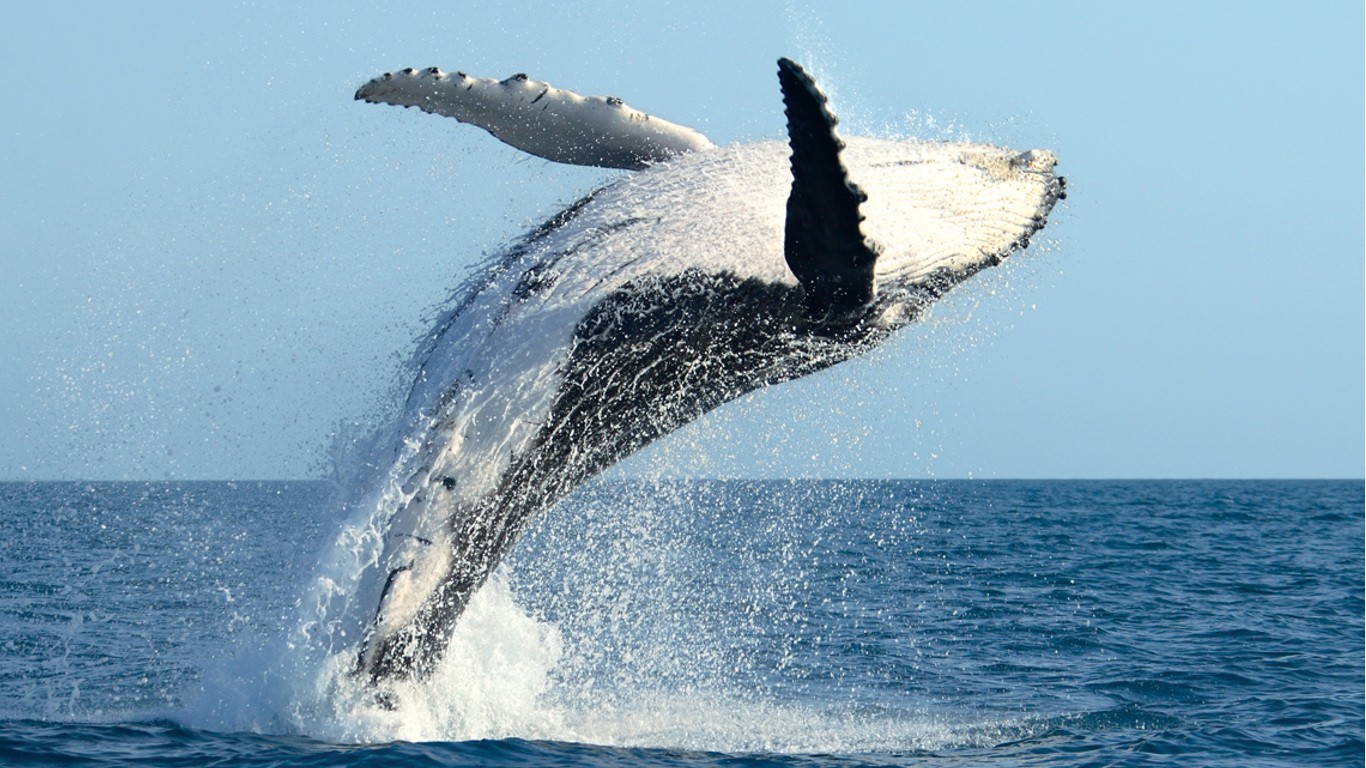
Between 30,000 and 40,000 humpback whales pass Broome each year during their 10,000-kilometre round trip between Antarctic waters and the Kimberley's sheltered bays. This migration represents one of the longest mammal journeys on Earth, and Broome's position along the continental shelf places observers within kilometres of the main corridor. The whale watching Broome best time aligns with two distinct migration phases. Northbound whales appear from late May through August, traveling in tight pods at speeds near seven knots as they push toward warmer breeding grounds. These animals rarely linger, but their numbers create reliable daily sightings. Southbound migration begins in late August and extends into November, with mothers and newborn calves forming the majority by mid-September. Calves lack the stamina of adults, so southbound pods move slowly and rest frequently in coastal shallows, often within 500 metres of tour vessels. Weather patterns dictate viewing quality as much as whale presence. Broome's dry season from May to October coincides with migration timing, delivering clear skies and minimal rainfall. Morning winds typically build through midday before easing in the afternoon, which is why the best arrival window falls between noon and four o'clock when seas flatten and surface conditions improve. Operators schedule most departures to return during this calmer window. Water temperature rises steadily through the season, reaching 26°C by October, which draws larger congregations of marine life and increases the chance of observing feeding behavior near reefs. Whale activity varies by month in predictable ways. June and July produce frequent sightings of fast-moving adults with limited surface behaviour. August marks the transition as late northbound whales overlap with early southbound returns, creating the season's highest traffic volume. September and October shift the focus to mothers with calves, where breaching, tail slapping, and extended surface intervals become common as young whales build strength for the journey south. Operators report that late-season tours yield longer observation periods per encounter, though weather becomes less stable as the wet season approaches in November.
“Southbound pods move slowly and rest frequently in coastal shallows, often within 500 metres of tour vessels.”
Whale Watching Broome Best Time: Seasonal and Daily Windows
The humpback whale migration season in Broome occurs from July to September. Planning your excursion for the afternoon window offers the most stable sea conditions for observation.
July to August
ModerateDry season, 29°C to 32°C
Peak migration period with frequent surface activity.
September
ModerateIncreasing warmth, 33°C to 35°C
Final month of the migration season with active whale pods.
12:00–16:00
Low intra-day fluctuation—
Afternoon winds typically drop, resulting in calmer waters and better viewing conditions.
Verdict: The best time for whale watching in Broome is between July and September, specifically during the 12:00–16:00 arrival window to ensure the calmest water conditions.
Operational Hours for Whale Watching Broome Best Time Planning
Local service providers in Broome maintain consistent operational hours throughout the week to support whale watching inquiries and trip planning. Facilities remain open daily to assist visitors with schedules.
| Monday | 08:00–17:00 | |
|---|---|---|
| Tuesday | 08:00–17:00 | |
| Wednesday | 08:00–17:00 | |
| Thursday | 08:00–17:00 | |
| Friday | 08:00–17:00 | |
| Saturday | 08:00–17:00 | |
| Sunday | 08:00–17:00 |
Whale Watching Broome Best Time: Understanding Tour Costs
There is no government-run entrance fee to access the ocean for whale watching in Broome. All costs are associated with private commercial tour operators.
While ocean access is free, visitors pay commercial tour operators for boat excursions, with prices fluctuating based on the selected service provider.
Logistics for Reaching Whale Watching Broome Best Time Locations
Broome is located in the Kimberley region of Western Australia, accessible primarily via Broome International Airport or by road along the Great Northern Highway. Whale watching departure points are situated at the Broome Port and Gantheaume Point, which are reachable by local transport services or private vehicle.
Great Northern Highway to Broome
Town Bus Service to Port Drive
Local transit to Port or Jetty
Whale Watching Broome Best Time: A Pre-Departure Checklist
Preparation ensures you secure a spot during peak humpback season and stay comfortable on the water.
-
Book your tour early — Operators fill quickly between June and September during migration season.
-
Check weather and sea conditions — Calmer seas improve sighting success and reduce motion discomfort.
-
Pack reef-safe sunscreen and a hat — Broome's tropical sun is intense, even on overcast days.
-
Bring polarised sunglasses — They cut glare and help you spot whales beneath the surface.
-
Wear layered, quick-dry clothing — Morning departures can be cool; spray and wind are common.
-
Confirm departure time and meeting point — Tour operators use different jetties and schedules vary by tide.
-
Carry motion sickness medication if needed — Swells in open water affect sensitive passengers.
Check availability
Frequently asked questions about whale watching Broome best time
Everything you need to know about whale watching broome best time